Painting wooden houses.
Wood painting is technically the most complex process in the field of woodworking, despite its apparent simplicity. Countless paint and varnish materials open up before the average person, each belonging to a specific group with its own function, role, and scope of application.
The durability of the coating directly depends on the preparation. The ideal wood moisture before painting should not exceed 12%, however, for outdoor work, a figure of 18-20% is allowed (which is often found in new rounded timber log houses).
Painting pursues two main goals:
- Protecting wood from moisture, atmospheric influences (sun, precipitation), and living organisms (fungus, mold, insects);
- Imparting decorative properties (color, gloss, highlighting the wood texture).
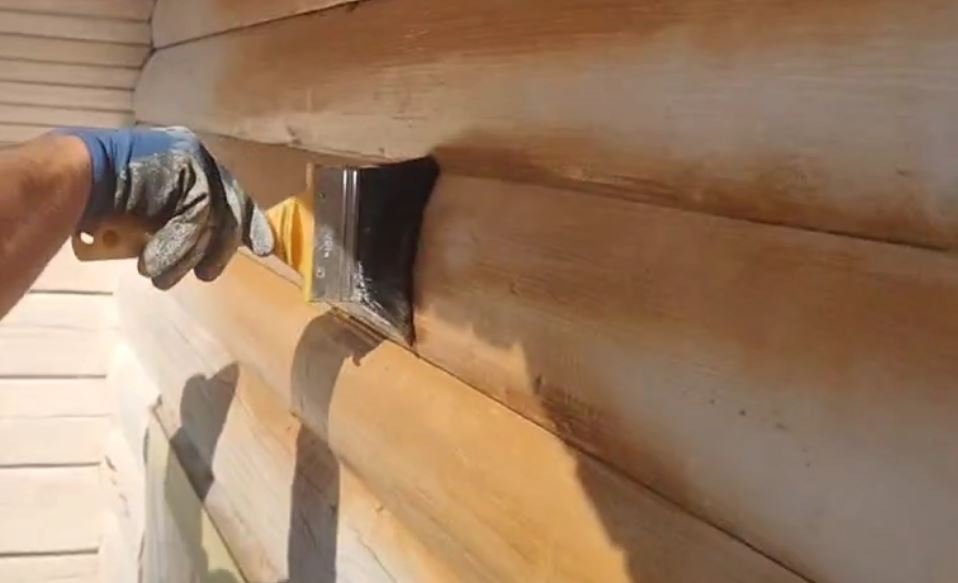
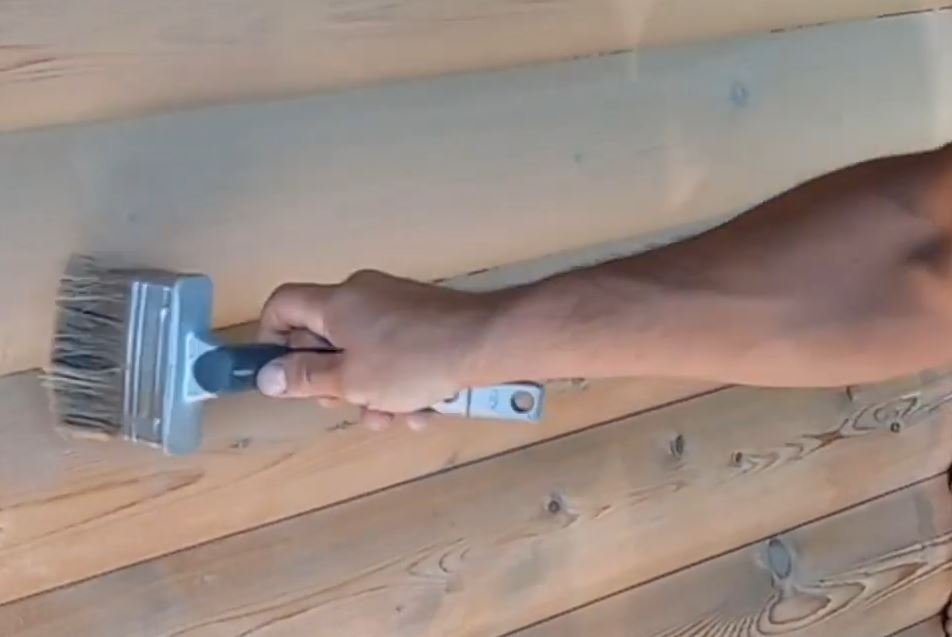
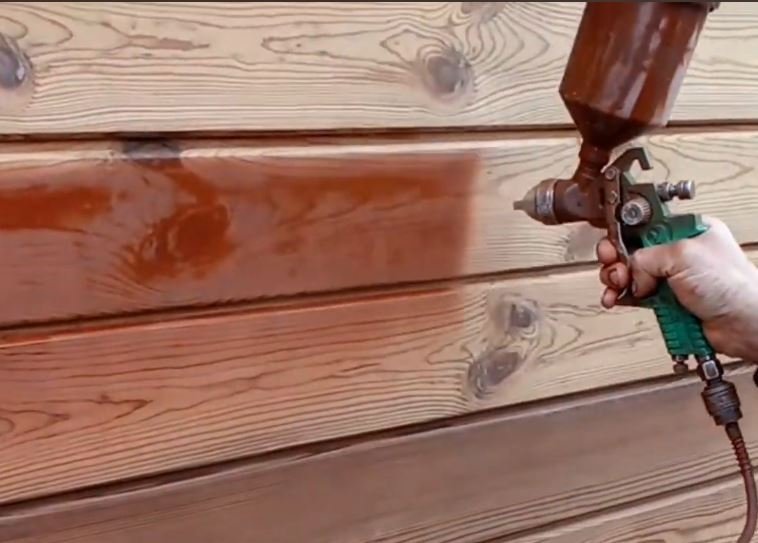
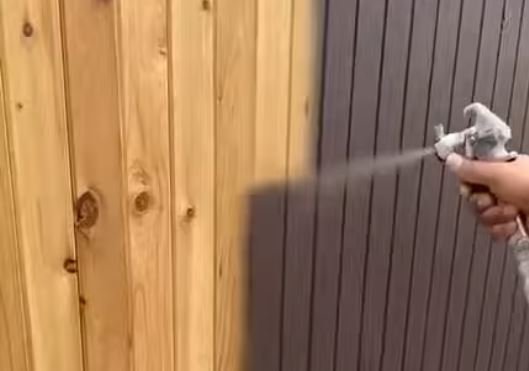
The application of materials is carried out in different ways: with a brush, a roller, as well as with air and airless devices.
The main feature of professional painting is not just the application of paints or oils, but the competent combination of paintwork materials in the form of verified schemes (for example, primer + enamel or impregnation + varnish). It is these schemes that allow you to protect the wood for the maximum possible time.
How we work: painting stages
Measurement and inspection
Moisture measurement. Inspection for damaged wood and old paintwork to choose the ideal painting scheme.
Selection and protection
Individual selection of colors with a colorist. Careful sealing of adjacent elements with masking tape and protective film.
Main painting
Painting according to a pre-agreed technical scheme and in a strictly corresponding way (brush, spray, etc.).
Complex elements
Careful painting of non-linear and architectural elements: fences, slopes, railings, roof ridges, and others.
Intercoat processing
Intercoat sanding (matting) to improve adhesion and remove the pile, if agreed upon by the technological scheme.
Cleaning and delivery
Removal of film and tape. Dry and wet cleaning (using a high-pressure washer). Final delivery of the object to the customer.
Classification of paintwork materials:
- By binder and solvent: acrylic, alkyd, polyurethane; water-based or organic solvent-based;
- By location type: for interior or exterior work;
- By load type on the coating: floors/decking, walls/ceilings, or furniture/doors;
- By film former: film-forming (varnishes, paints) and non-film-forming (oils, glazes, impregnations);
- By hiding power: glazing (translucent, the texture is visible) and covering (enamels completely overlapping the pattern);
- By application sequence: starting (primers, impregnations, stains) and finishing (enamels, varnishes, glazes, oils).
Approximate cost of work
| Name of service | Cost |
|---|---|
| Painting facades and overhangs with oil/glaze (non-film-forming scheme) in 2 coats | From 160 UAH / m² |
| Painting facades and overhangs with oil/glaze (non-film-forming scheme) in 3 coats | From 216 UAH / m² |
| Routine painting (refreshing) of facades and terraces in 1 coat (any scheme) | From 80 UAH / m² |
| Painting facades with varnish/enamel (film-forming scheme: primer + finish) in 2 coats | From 226 UAH / m² |
| Painting facades with varnish/enamel (film-forming scheme) in 3 coats | From 310 UAH / m² |
| Painting terraces with oil or impregnation in 2 coats | From 150 UAH / m² |
| Painting ceilings and walls inside in 1 coat | From 90 UAH / m² |
| Painting ceilings and walls inside in 2 coats | From 160 UAH / m² |
| Painting surfaces inside saunas and baths | From 80 UAH / m² |